
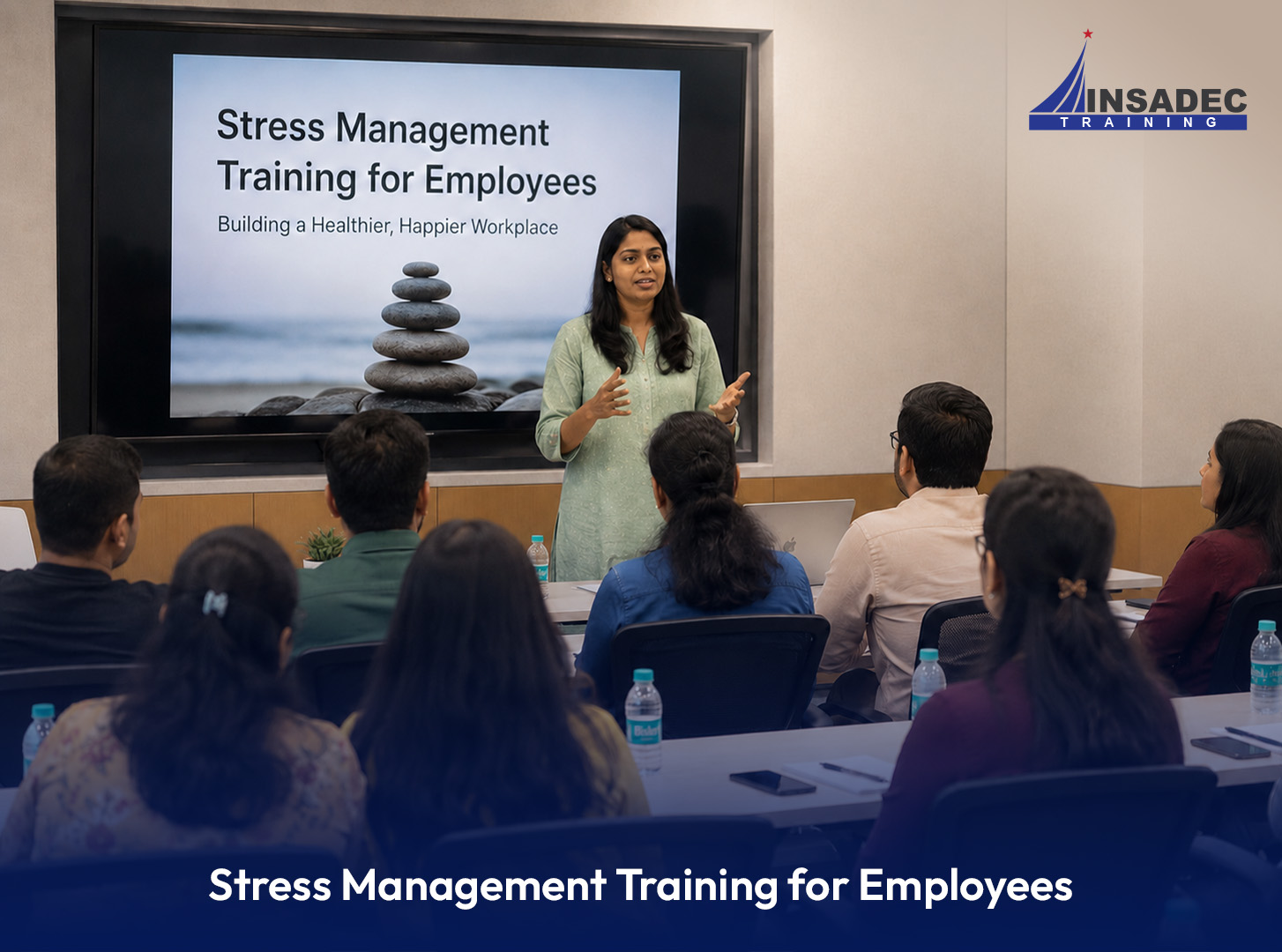
Workplace Stress and the Bottom Line
Workplace stress may be an invisible and silent killer that can gradually wipe away the vitality of even the most well-organized and efficient workforces. Employee wellbeing, both physical and psychological, has Yes marked the pace for the united progress of any enterprise. Different leadership styles can be an icing on the cake, but overlooking the team members' emotional states will be a rule-breaker in the eyes of any modern leader.
Uncontrolled stress is bound to result in a series of unfortunate events culminating in business losses and disengagement of the professionals. The diminishing ardour of the ones feeling defeated at work, will often coincide with lower employee turnover, which means the leaving of key knowledge that an organization can ill-afford. Being versed in only one's area or having only a good set of competencies will not necessarily be the factor that ensures standing out from the crowd when it comes to an unstable market. The execution of only the technical functions may be carried out by the droids in the near term, so only human traits and abilities can keep a company from coming to the end of its rope. By nurturing good mental health one is taking care of the employees' ability to adapt and their readiness to face the changes in the ever evolving world market, while also ensuring that the organization will be up to the task and will be able to deliver outstanding results.
The Tangible Business Cost of Unmanaged Stress
Unmanaged stress is not merely a personal wellness issue for individuals; it is a significant organizational liability that carries measurable financial consequences. When a workforce is under excessive pressure without the psychological tools to manage it, the company’s ability to meet its primary business goals is compromised. This failure manifests in the breakdown of operational efficiency and the degradation of service standards.
The specific costs of failing to address workplace stress include the following:
-- Decreased quality and delivery metrics that directly damage brand reputation.
-- Missed deadlines and project delays that disrupt the entire supply chain.
-- Failure to meet client expectations and strict service level agreements.
-- Reduced discipline and a notable lack of quality-conscious work.
-- Increased errors in execution that require expensive rework and management intervention.
These factors have a direct, negative impact on the company’s bottom line. Investing in the development of the workforce is a necessary step to protect the financial health of the organization and ensure the consistent delivery of value to stakeholders.
Why Stress Management in Organizations is a Strategic Business Priority
Transitioning stress management in organizations from an optional HR initiative to a core business strategy is essential for long-term survival. One of the most difficult chores for leadership teams is to adjust the expansion of the company to the personal development of employees. When the directions of these two growths are different, the company will not only lose its sense of purpose but also its drive to move forward.
Companies depend heavily on their most valuable asset, a skilled, disciplined, and motivated pool of talent, for their survival and growth. But this task is foolish without Corporate Stress Management in total commitment. One could say that these skill are like the lubricants for the engine of Strategic Execution. When leaders focus on the mental preparedness of workers, they are, in effect, providing assurance that their teams, even under high pressure circumstances, will continue to pursue the company's goals without getting distracted. A training program seasoned with strategic injection of funds is a spur to the overall performance of the firm, enabling it to grow both in length and breadth.
Warning Signs Leaders Often Miss
Leaders frequently overlook the early indicators of workplace stress, often mistaking them for simple performance issues or lack of motivation. Identifying these red flags early is vital to preventing a complete breakdown in team dynamics and operational flow.
4.1 Drop in Quality-Conscious Output
When employees experience stress, they frequently lose the mental capacity needed to pay attention to the fine details that guarantee excellence. This results in them adopting a "checked-out" mentality where they do the bare minimum to complete their tasks rather than the quality-conscious standard expected by the brand.
4.2 Diminished Adaptability
A workforce under extreme pressure becomes rigid and struggles to adopt new strategies or respond to market changes. Stressed individuals often view new processes as threats rather than opportunities, stifling the organization's ability to remain agile.
4.3 Communication and Conflict Failures
Stress often leads to a decline in effective communication, resulting in misunderstandings and lost information. It also reduces emotional regulation, leading to poor conflict management within teams and a lack of the team spirit necessary for complex collaborations.
How Stress Management Training Transforms Workforce Performance
Stress management training helps develop certain performance aspects directly by giving employees the right psychological "gears" to deal with corporate challenges. Such programs instruct people to collaborate tightly with work guidelines and deadlines, at the same time meeting stringent quality standards. This is crucial In fact for roles with a lot of pressure, for example, Inside Sales where discovery calls and sales closure need great concentration or Customer Service where emotional stamina is necessary to go the extra mile for clients.
The following table maps specific training outcomes to their corresponding business benefits:
This training boosts behavioral competence so that all employees in a team have the skills to positively contribute to the growth of the company's earnings. Confident and highly skilled employees perform at a high level consistently and achieve the required output faster, which in turn would help the company to reach its overall business objectives.
6. Actionable Insights: Building a Resilient Culture
Managers can do something instantly to promote a resilient environment by making some practical changes in how they lead their team everyday.
These revelations are about how to build a structure that nurtures both performance and mental well-being.
-- Make sure that everyone on the team is fully aware of their role and the exact quality standards they are supposed to reach.
-- Open communication about objectives is one of the ways to lessen the stress that comes with unknowns and to provide workers with the liberty of dedicating their total focus to carry out the tasks.
-- Add team-building events, both indoor and outdoor, to the routine to strengthen the relationships. Besides social get-togethers, collaborative problem-solving activities are good examples of how employees become team players, which is essential if one wants to be ready for handling projects with extremely tight deadlines and high-level stress.
-- Project teams should be encouraged to meet project challenges by re-defining it into a series of smaller units. This is the way to make substantial and seemingly difficult projects less intimidating. And, it enables a continuous flow of small accomplishments which act as a source of inspiration.
-- Breaking down projects also lead to a situation where the group is thinking ahead and without pressure or undue stress for deadlines.
7. Partnering with Insadec Training for Sustainable Growth
Implementing an effective Corporate Stress Management program requires an expert partner who understands the complexities of the modern workplace. Insadec Training has been recognized as a leaders incubation centre and is a premiere choice for organizations looking to achieve tangible results through researched content and a proven methodology.
7.1 Agile Teaching and Evidence-Based Design
Insadec utilizes an agile teaching methodology that ensures training results are applicable in practical life. Their programs feature blended, engaging, and evidence-based learning designs that include pre and post assessments to measure progress and prove return on investment.
7.2 Leaders Incubation Centre and Expert Facilitation
The trainers at Insadec are industry experts who have led teams in reputed corporate companies. They possess strong facilitator skills to drive learner engagement and understand the specific mindset and problems faced by participants because they have experienced them firsthand.
8. Conclusion: Investing in Your Most Valuable Asset
The success of a company is very much dependent on its employees' growth. A business cannot expect to expand if it keeps its people from developing. As Insadec Training, investing in staff training and development is as crucial as making sales.
Making your workforce resilient is a strategic move that cannot be done without professional help and commitment to ongoing learning. Equipping your team with the latest skills in stress management and performance enhancement will Clearly give your organization an edge and enable it to achieve even the loftiest goals. Call Insadec Training now to speak with a consultant who will help you find out how their comprehensive training program and time-tested methods can turn your workforce into a team that is disciplined, motivated, and quality-conscious.


